 Sign in


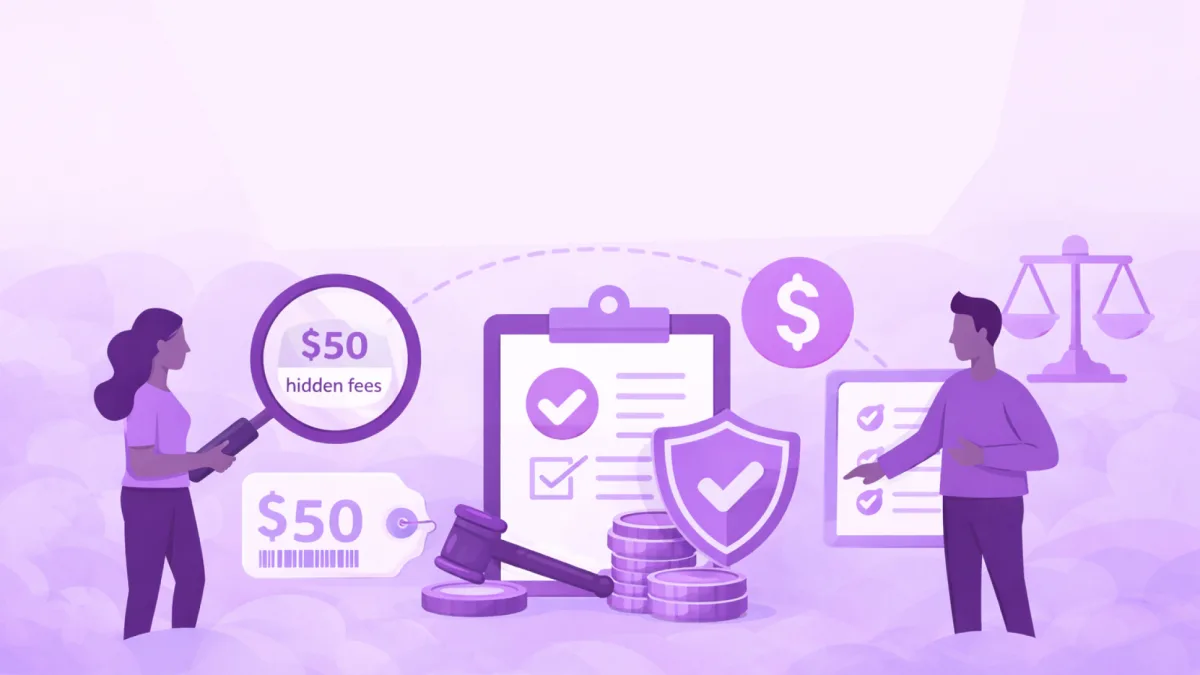
In payment processing, few things matter more to merchants than knowing exactly what they’re paying and staying compliant with card network rules. Yet pricing structures are often confusing, and compliance requirements can feel overwhelming—especially for growing or high-risk businesses.
This guide breaks down what pricing transparency and compliance really mean, why they matter, and how merchants can protect their business by making informed decisions.
What Pricing Transparency Actually Means
Transparent pricing means you clearly understand:
What fees you’re being charged
Why those fees exist
How and when they can change
A transparent payment provider does not hide costs in fine print or bundle fees in a way that’s difficult to track. Instead, they explain pricing models upfront—whether it’s interchange-plus, tiered pricing, or custom rates—and provide clear statements so merchants can see where their money goes.
For merchants, transparency leads to:
Better cash-flow planning
Fewer billing surprises
Stronger trust with their payment partner
If you don’t fully understand your processing statement, that’s often a sign pricing isn’t as transparent as it should be.
Common Pricing Pitfalls Merchants Face
Many merchants run into issues such as:
Unexpected rate increases
Monthly fees that were never clearly explained
Long-term contracts with costly early termination fees
These challenges don’t just affect profitability—they can also disrupt operations and create long-term financial strain. Asking the right questions before onboarding and reviewing statements regularly can help merchants avoid these pitfalls.
Why Compliance Is Just as Important
Compliance isn’t optional—it’s essential. Card networks and regulatory bodies have strict rules in place to protect consumers, reduce fraud, and maintain the integrity of the payments ecosystem.
Key compliance areas include:
PCI DSS requirements
Chargeback monitoring programs
Network regulations such as Visa and Mastercard risk thresholds
Failing to stay compliant can result in higher processing costs, account termination, or even blacklisting from card networks.
The Link Between Compliance and Pricing
Compliance issues often lead directly to higher fees. Excessive chargebacks, fraud exposure, or incomplete documentation can place merchants in monitoring programs that increase processing costs or limit payment capabilities.
A compliant business is typically viewed as lower risk, which helps:
Maintain stable processing rates
Avoid penalties and fines
Ensure long-term account sustainability
In other words, strong compliance supports transparent and predictable pricing.
What Merchants Should Look for in a Payment Partner
A reliable payment provider should:
Clearly explain all fees and pricing structures
Offer guidance on compliance requirements
Proactively help merchants reduce risk and chargebacks
Communicate openly when changes occur
Payment processing is not just about moving transactions—it’s about protecting a merchant’s ability to operate and grow.
Final Thoughts
Pricing transparency and compliance go hand in hand. Merchants who understand both are better positioned to make smart financial decisions, avoid unnecessary risk, and build long-term stability.
Choosing a payment partner that prioritizes clarity, compliance, and merchant education can make all the difference—not just today, but as your business scales.
Ready to boost your payment solution
Related posts:
- Smileyface Dollarsign: A simple introduction to happy payments.
- Top 10 Things Tech Integrators Wish They Knew Before Payments Integration: A Super Agenda and Meeting Prep Guide
- The Heat is On: High Temperatures and High-Risk Merchant Codes
- Why 73% of High-Risk Merchants Will Lose Their Processing in 2026