
 Sign in


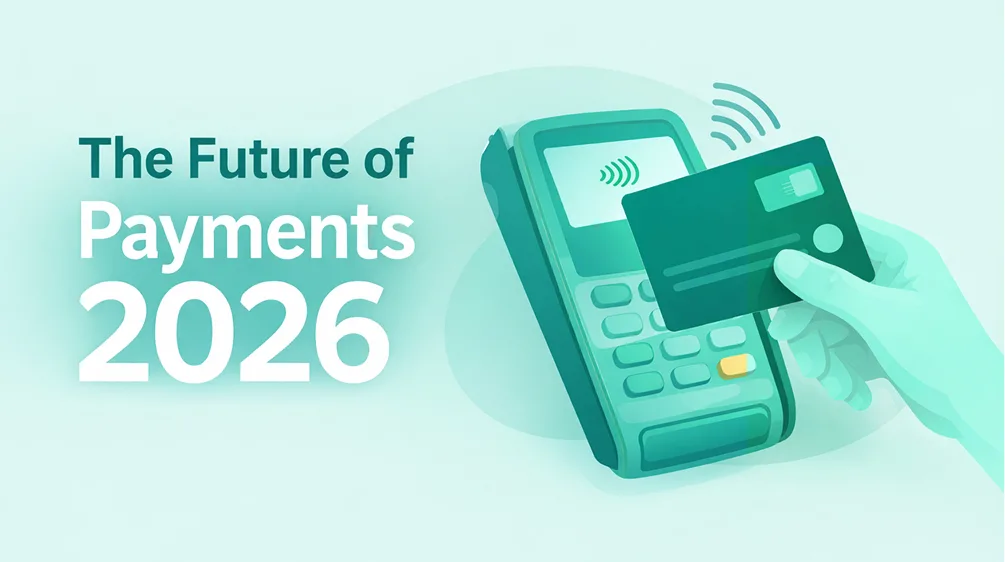
The global payments ecosystem is undergoing its most profound transformation in more than a decade. For merchants, 2026 will not be a year of gradual evolution—it will be a defining inflection point. Payment acceptance is no longer a background utility; it is becoming a strategic growth engine that directly influences profitability, customer experience, and operational resilience.
The traditional payment terminal is steadily disappearing, replaced by invisible, intelligent financial architecture embedded directly into business workflows. At Merchant Service Depot LLC, we see the future of merchant services in 2026 defined by three foundational pillars: Intelligence through Artificial Intelligence (AI), Integration through Embedded Finance, and Speed through Real-Time Settlement. To remain competitive, merchants must move beyond legacy processing models and adopt a cohesive digital payments strategy. What follows is a practical roadmap for navigating the year ahead.
Artificial Intelligence Becomes the Core Payment Infrastructure
In 2026, AI in payment processing will extend far beyond chatbots and basic automation. AI will function as the invisible operating system powering safer, smarter, and more profitable commerce. Its ability to analyze massive volumes of data in milliseconds makes it indispensable for fraud prevention, transaction optimization, and decision-making at scale.
Traditional, rule-based fraud systems are no longer sufficient against modern threats such as synthetic identity fraud, coordinated account takeovers, and deepfake-enabled attacks. Next-generation AI models will evaluate hundreds of behavioral, transactional, and network-level signals in real time, generating predictive risk scores before a transaction is finalized.
For merchants, this translates into higher approval rates for legitimate customers, fewer false declines, and a meaningful reduction in chargebacks. The result is a security posture that protects revenue without adding friction to the customer experience.
AI will also play a critical role in intelligent transaction routing. Rather than sending payments through a single static path, AI systems will dynamically route transactions across card networks, local payment schemes, and processing channels based on cost, success probability, and regional performance. This level of automation allows merchants to reduce interchange expenses, improve authorization rates, and optimize every transaction without manual intervention.
Another major shift is the rise of conversational commerce powered by Agentic AI. These autonomous AI agents will increasingly search, compare, and complete purchases on behalf of consumers. Payment platforms must be capable of securely integrating with these systems through predefined protocols. Merchants that are prepared for this shift will capture revenue from emerging digital purchasing behaviors that bypass traditional website interactions altogether.
Embedded Finance and the Invisible Checkout Experience
Embedded Finance represents the seamless integration of financial services directly into a business’s core software, such as scheduling systems, inventory tools, and customer relationship management platforms. By 2026, the concept of a standalone “payment processor” will evolve into that of a full financial infrastructure partner.
Software-led payments, often delivered through Payfac-as-a-Service models, will dominate vertical SaaS platforms. From healthcare and fitness to specialized retail and professional services, payment acceptance will be embedded natively into the software merchants already use. This approach eliminates fragmented vendor relationships, simplifies reconciliation, and delivers unified reporting within a single environment.
At the same time, the cost and complexity of physical payment hardware will decline rapidly. SoftPOS technology will transform modern smartphones into secure payment terminals, making Tap-to-Pay the default expectation for mobile, service-based, and pop-up merchants. This shift lowers barriers to entry, reduces upfront costs, and increases operational flexibility.
Embedded finance will extend well beyond payments. Merchants will increasingly have access to instant financing options such as Buy Now, Pay Later directly at checkout, along with integrated insurance offerings and value-added financial services. These capabilities create new revenue streams while improving customer convenience.
The Expectation of Instant Money: Real-Time Payments
Speed has become a defining currency in modern commerce. While customers already expect instant transaction confirmation, merchants in 2026 will demand near-instant access to their funds. The maturation of real-time payment rails globally is driving a fundamental shift toward immediate settlement.
Systems such as FedNow and other international RTP networks are reducing the gap between customer payment and merchant fund availability. Faster settlement improves cash flow, simplifies payroll and vendor payments, and reduces reliance on short-term financing. This immediacy is particularly valuable for inventory management, demand forecasting, and operational planning. Account-to-Account payments enabled by Open Banking initiatives will also see significant growth. These payments allow customers to pay directly from their bank accounts, bypassing traditional card networks. For merchants, A2A payments often carry lower processing costs and offer a powerful opportunity for optimization, especially in high-value B2B and recurring B2C transactions.
A Roadmap for the Future-Ready Merchant
The future of payments is intelligent, integrated, and immediate. For Merchant Service Depot LLC, delivering modern merchant services means providing the financial architecture that transforms these trends into measurable business advantages.
As merchants prepare for 2026, they should evaluate whether their payment platforms are AI-enabled, capable of supporting invisible and embedded payment experiences, and equipped for real-time settlement. Equally important is the ability to use payment data strategically through centralized reporting and predictive analytics.
Payment systems should no longer be viewed as operational bottlenecks. When designed correctly, they become strategic assets that drive growth, resilience, and customer trust. Partnering with Merchant Service Depot LLC ensures access to future-ready payments infrastructure built to meet the demands of the next era of commerce.