 Sign in


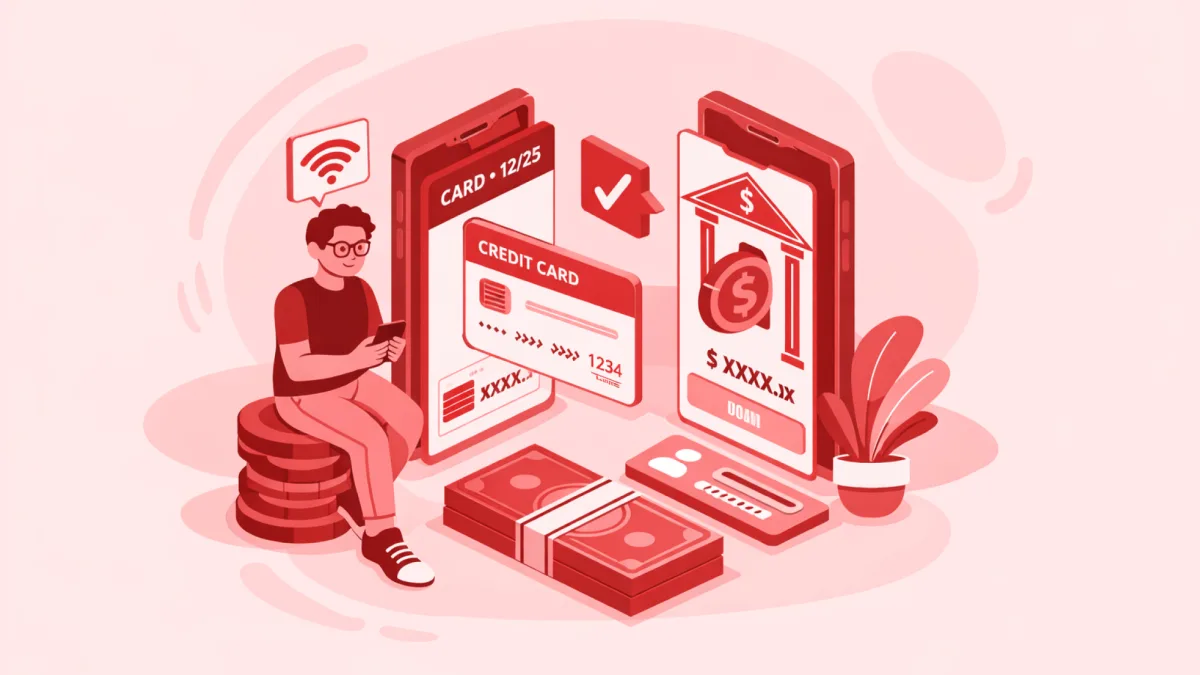
You’ve probably heard the phrase “payment gateway” dozens of times. But if someone asked you to explain what it actually does — right now, off the top of your head — could you? Most merchants can’t. And that gap in understanding costs real money.
A payment gateway isn’t just a technical detail you leave to your IT vendor. It’s the infrastructure your entire revenue stream runs through. Understanding it — even at a high level — gives you more leverage when shopping for providers, negotiating rates, and troubleshooting declined transactions.
What a Gateway Actually Does
Think of a payment gateway as the digital equivalent of the card reader at a checkout counter — except it’s doing far more than just reading a card. Here’s what happens in the seconds between a customer tapping their card and you seeing “approved”:
- It sits between your customer’s card and your bank account, routing and authorizing every transaction in real time.
- It encrypts card data the moment it’s entered, so sensitive information never travels in plain text over the internet.
- It returns an approve or decline decision in seconds — often milliseconds — based on checks run against the issuing bank.
- It passes verified transaction data to your acquiring bank to initiate settlement.
Gateway vs. Processor vs. Merchant Account — The Difference
These three terms get thrown around interchangeably — but they’re not the same thing, and conflating them can leave you negotiating blind.
- Gateway: the technology layer that moves transaction data between parties.
- Processor: the company that handles the actual movement of money between banks.
- Merchant account: the holding account where your funds land before transferring to your business bank.
Many providers bundle all three under one roof — which can simplify operations but also obscures where fees are actually coming from. Knowing which is which helps you ask better questions and negotiate smarter.
What to Look for in a Gateway
Not all gateways are built for your type of business. Here are the factors that separate a solid gateway from one that becomes a recurring headache:
- Channel support: Does it handle in-person, online, mobile, and recurring billing — or just one?
- Integration compatibility: Will it work with your existing POS system, shopping cart, or CRM without custom development?
- Fraud prevention tools: Look for tokenization and 3DS2 support. These aren’t nice-to-haves — they’re table stakes.
- Transparent pricing: Per-transaction fees should be clear. Watch for hidden monthly add-ons buried in the contract.
- Reliability and uptime: Even 99.5% uptime means 43 hours of downtime per year. Know what you’re signing up for.
Why MSD’s TAG Gateway Is Different
Most enterprise-grade gateways are built for large corporations and expect everyone else to adapt. TAG was designed differently — for ISOs, ISVs, and merchants who need flexibility and speed without sacrificing capability.
- Self-boarding in minutes, not weeks — no lengthy onboarding calls or paper-heavy setup.
- Smart MID cascading that routes transactions to maximize approval rates, so you’re not leaving revenue on the table from unnecessary declines.
- Out-of-the-box integrations with Shopify, WooCommerce, and other major shopping carts — no custom dev required.
- Built to scale with your business, whether you’re processing thousands or millions per month.
A payment gateway isn’t just plumbing — it’s the foundation your entire revenue stream runs through. Choose it carefully.
Talk to a sales agent at MSD today to see if TAG is the right fit for your business. Visit merchantservicedepot.com or reach out directly — our team is ready to walk you through it.
Ready to boost your payment solution
Related posts:
- Smileyface Dollarsign: A simple introduction to happy payments.
- Top 10 Things Tech Integrators Wish They Knew Before Payments Integration: A Super Agenda and Meeting Prep Guide
- The Heat is On: High Temperatures and High-Risk Merchant Codes
- Why 73% of High-Risk Merchants Will Lose Their Processing in 2026