 Sign in


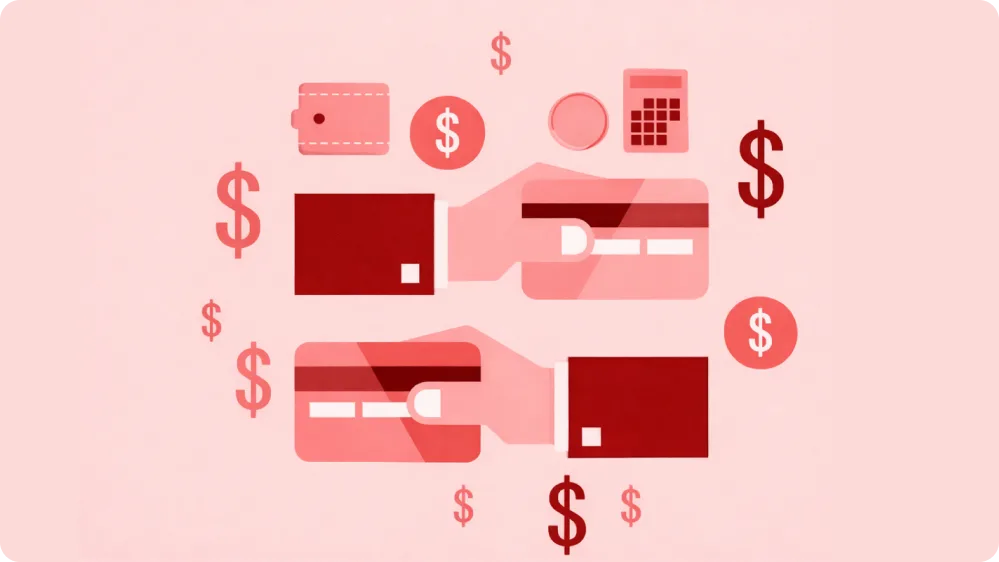
The payment landscape has shifted. In 2026, understanding the flow of money means navigating new regulations, AI integration, and instant settlements. Here is the essential breakdown of the modern payment ecosystem.
1. The Core Ecosystem
Every transaction relies on four main pillars:
Merchants: The business selling the goods or services.
Payment Processors: The technical bridge transmitting data between the merchant and the financial world.
Card Networks: The infrastructure giants (Visa, Mastercard, AmEx) that set the rules and fees.
Banks: The Issuing Bank (customer’s bank) approves the funds; the Acquiring Bank (merchant’s bank) settles the money.
2. The Transaction Lifecycle (in Seconds)
Modern processing happens in three rapid stages:
Authorization: The customer pays via tap, click, or swipe. Data is tokenized (encrypted) and routed through the processor and network to the Issuing Bank to check for funds and fraud.
Authentication (3D Secure 2): Systems now analyze 150+ data points in real-time to verify identity without slowing down the user.
Settlement: Funds move from the Issuing Bank to the Merchant. Thanks to systems like FedNow, this is often near-instant rather than taking days.
3. Top Payment Methods in 2026
Digital Wallets: Apple Pay and Google Pay dominate via biometric security.
Real-Time Payments: Government-backed rails allowing 24/7 instant bank transfers.
BNPL (Buy Now, Pay Later): Services like Affirm are now standard for splitting costs.
Stablecoins: No longer niche, the market has surpassed $300B, offering a legitimate alternative to traditional banking rails.
4. Key Trends & Technology
AI & Fraud Prevention: Machine learning is no longer optional; it is the primary defense against fraud, predicting behavior patterns in milliseconds.
Embedded Finance: Non-financial platforms (like vertical SaaS) are processing payments directly. Volume is projected to hit $3.5 trillion.
Regulatory Updates: Stricter oversight on open banking and crypto requires merchants to stay agile with compliance.
5. Choosing Your Solution
When selecting a processor, balance cost against technical needs:
Pricing: Choose Interchange-Plus for transparency (you see the true cost + markup) or Flat-Rate for simplicity (predictable fees, but often higher).
Integration: Use Pre-built Connectors (Shopify, Salesforce) for speed, or Custom APIs if you need total control over the user experience.